The kitchen rangehood—or extractor hood—is often the unsung hero of the modern home. It’s the tireless worker that sucks away the steam, smoke, and tantalizing aromas of our culinary adventures. However, beneath its sleek exterior lies a greasy, sometimes frighteningly clogged ecosystem. If you've ever wondered, "What does rangehood cleaning involve for residential homes?" you're not alone. It seems like a daunting task, relegated to the domain of professional deep-cleaners. But understanding the scope of the job is the first step toward keeping your kitchen running like a well-oiled machine, preventing both grime buildup and expensive appliance failures.
The Science of Grime: Why Rangehood Cleaning Is Essential
Before diving into the 'how-to,' it's crucial to understand the 'why.' Rangehoods are designed to capture airborne particulates, but what they capture is a potent cocktail of oils, grease, smoke residue, and microscopic food debris. Over time, this buildup doesn't just look bad; it becomes a genuine hazard. Think of the grease buildup as a ticking time bomb; it can accumulate enough combustible material to pose a fire risk if left unchecked.

The Risks of Neglect
Ignoring your rangehood is like ignoring a leaky faucet—eventually, the problem gets much bigger and costs much more to fix. The accumulation of carbonized grease has several serious implications for your home:
- Fire Hazard: This is the most critical concern. Built-up grease can ignite, requiring immediate and dangerous intervention. Reduced Efficiency: A clogged filter or motor struggles to pull air, meaning you are not actually getting the ventilation you paid for. Your cooking environment becomes a sauna of stale smoke. Odor Retention: The grease acts like a sponge for smells. Even after you clean the visible parts, the deep grime can continue to permeate the kitchen with a lingering, stale cooking aroma.
What Exactly Is Being Cleaned?
When we talk about what does rangehood cleaning involve for residential homes?, we are talking about far more than just wiping down the visible exterior. We are addressing the entire system: the visible filters, the internal motor housing, the ductwork, and the surrounding surfaces. It is a comprehensive process designed to restore both function and aesthetic appeal.
Deconstructing the Deep Clean: Step-by-Step Processes
The complexity of the cleaning process depends heavily on the type of rangehood you have (ducted, recirculating, chimney-style, etc.) and the severity of the buildup. Generally, the cleaning process can be broken down into three main phases: physical removal, chemical treatment, and detailed restoration.
Removing the Filters and Components
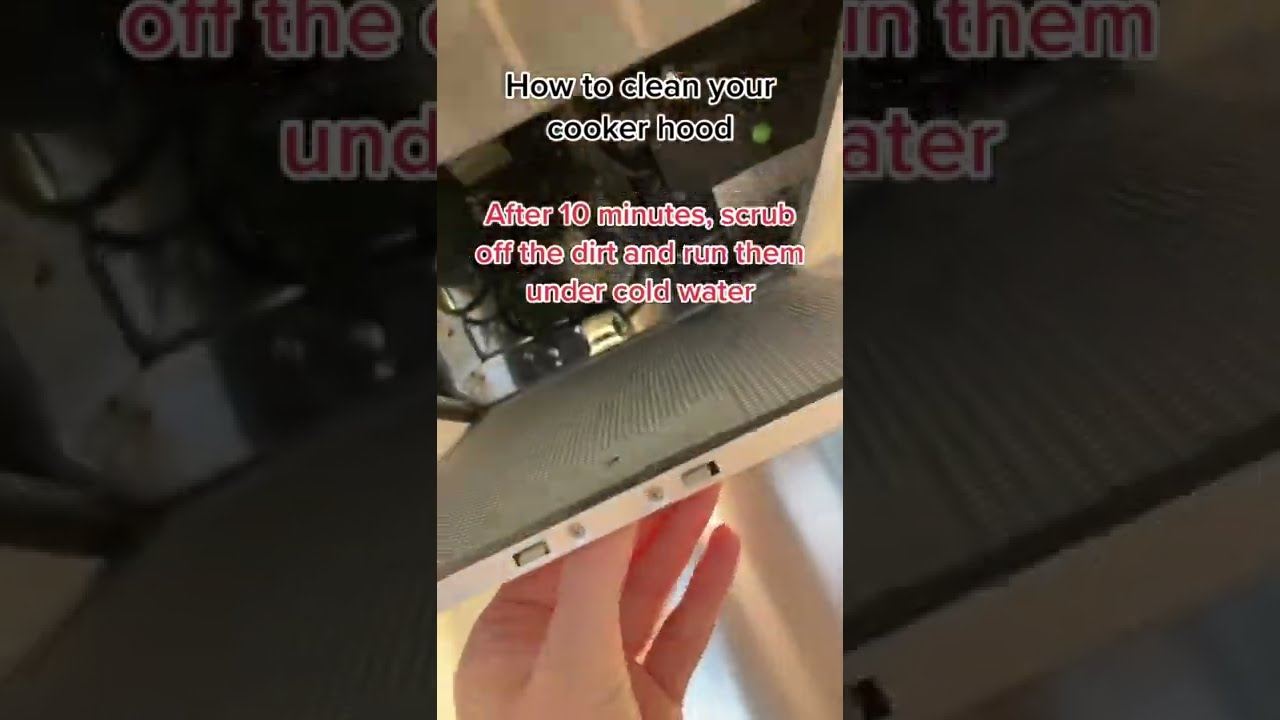
The filters are the first line of defense, and often the first thing to become overwhelmed. These metal mesh filters are usually removable, but the buildup they capture is incredibly stubborn.
- The Initial Scrub: This involves soaking the filters in a specialized degreaser. This isn't a job for dish soap; professional degreasers are formulated to break down polymerized oils that are essentially baked onto the metal. Physical Scraping: Once softened, the buildup must be physically removed. Sometimes, a specialized brush or scraper is needed, especially if the grease has bonded with the metal over years of use.
Addressing the Internal Mechanics
This is where many homeowners get nervous, because it involves opening up the appliance. The motor housing and the internal ducting are often the most neglected areas.
- Duct Cleaning: If your rangehood is ducted, the ductwork itself must be addressed. This is often the deepest part of the cleaning and may require specialized equipment, sometimes involving a small vacuum or rotary brush to reach deep into the metal ducts, ensuring that the grease hasn't formed a sticky, dark layer inside. Motor and Fan Assessment: A professional will also inspect the motor and fan assembly. They need to ensure that the mechanical parts are moving freely and that the electrical components are safe and clean.
The Chemical Warfare Against Grease
You might wonder if a simple soak will do the trick. Unfortunately, grease isn't just oil; it's a combination of polymerized fats, carbon, and smoke residue. For a true deep clean, professional cleaning involves chemical agents that act as solvents.
"The goal is not just to make it look clean, but to make it function clean." This realization is key. The quote, "Prevention is better than cure," rings especially true here. A deep clean prevents the buildup that leads to inefficiency and danger.
Beyond the Scrub: Making the Rangehood Work for You
After the deep cleaning is done, the job isn't finished. The final stages involve ensuring that the appliance is restored to optimal performance and that you know how to maintain it moving forward.
Understanding Maintenance and Prevention
The most important part of the entire process is prevention. How can you keep the greasy beast from becoming a disaster zone?
- Regular Filter Cleaning: This is the single most effective measure. While professional deep cleans are necessary every year or two, routine cleaning of the visible filters every 4-6 weeks can make a monumental difference. Kitchen Habits: Using proper ventilation before starting high-smoke cooking (like searing meats) helps manage the initial particulate load. The Right Tools: Using a specialized degreaser on your own, followed by a thorough rinse, is a manageable DIY task that keeps the grime from becoming a permanent fixture.
The Importance of Professional Help
While you can tackle the filters yourself, there are times when the job is too big a beast to tackle alone. If the buildup is thick, if the ducts are inaccessible, or if you are unsure about the electrical components, calling a professional is the smart move. It’s better Join now to pay a bit more for peace of mind than to risk a fire or a poorly functioning appliance.
We've covered the technical aspects, but let's think about the lifestyle aspect. Imagine cooking knowing your rangehood is performing at peak efficiency—it's like having an invisible, powerful lung for your kitchen.
Ensuring a Clean, Safe Culinary Environment
Ultimately, understanding what does rangehood cleaning involve for residential homes? reveals that it is a combination of mechanical cleaning, chemical decomposition, and preventative maintenance. It's a process that restores not only the appliance but the safety and enjoyment of your entire kitchen.
Are you currently treating your rangehood like a high-performance piece of machinery, or is it gathering dust and grease like a forgotten relic? By taking the time to understand the scope of the cleaning—from the visible filters to the unseen ductwork—you are investing in the safety and longevity of your home. A deep clean is a powerful shield against grime and risk, ensuring that your kitchen remains the warm, inviting heart of your home for years to come.